The Comeback of Vermouth
Every so often, a drink quietly hanging out at the back of the cupboard slips back into the spotlight with surprising elegance. Vermouth is exactly that character — a once-forgotten fortified wine that spent years gathering dust behind louder, trendier spirits. Yet suddenly, it’s everywhere again. Bars are celebrating it, home mixologists are rediscovering it, and craft producers have turned it into the aperitif equivalent of a comeback album.
The renewed excitement makes perfect sense once you understand vermouth’s real personality. It begins as wine, then transforms through fortification, aromatisation, and a delicate infusion of herbs, spices, roots, and botanicals. The result is a drink with layers — bitter edges, floral notes, herbal warmth, and a sweetness (or dryness) that feels both familiar and intriguingly complex. Its structure makes it versatile, sessionable (bar jargon for easy-drinking), and endlessly sippable, which explains why it originally became a staple of Italian, French, and Spanish aperitif culture — and why it’s now finding fans everywhere from Cape Town to Copenhagen. .
The modern revival has been driven by a new wave of small-batch producers focusing on terroir, craftsmanship, and botanicals with character. These makers experiment with local ingredients, new extraction methods, and carefully balanced blends that showcase vermouth’s depth rather than hiding it behind other spirits. The result has been a renaissance of flavour and appreciation — one built on quality, creativity, and a newfound respect for what this fortified wine can do.
Why Vermouth Is Having a Moment (Again)
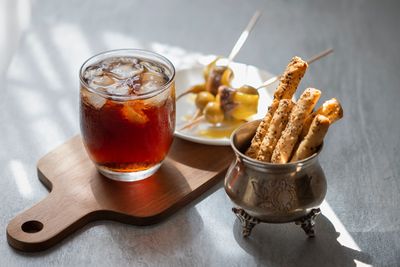
Vermouth’s resurgence is rooted in its sheer versatility. As an aperitif, it’s lower in alcohol than spirits, making it an easy, elegant start to an evening. On ice with a citrus twist, it becomes a refreshing, botanical-forward drink that feels more grown-up than a spritzer but less demanding than a cocktail. Its balance of sweetness, bitterness, and aromatics naturally stimulates the appetite, which is exactly why it became such a beloved pre-dinner ritual in Italy, France, and Spain.
Its cocktail potential is another driving force behind the comeback. Many classic drinks — the Negroni, the Martini, the Manhattan — rely on vermouth for structure, aroma, and balance. When those drinks were first invented, vermouth was fresh, vibrant, and central to the recipe. Over time, people began using old, oxidised bottles, dulling the flavours and leading many to think vermouth itself was the problem. The craft movement flipped that narrative. Fresh, high-quality vermouth changed everything, restoring the complexity and harmony those cocktails were always meant to have.
Food lovers have also embraced vermouth for how beautifully it pairs with snacks and small plates. Its herbal bitterness stands up to charcuterie and olives, while its subtle sweetness complements cheeses, tomatoes, marinated vegetables, and crusty bread. Some chefs now use it as a cooking ingredient — splashed into pan sauces, stirred into risotto, or reduced into glazes — taking advantage of its layered aromas and gentle acidity. Vermouth brings nuance and depth without overpowering, which makes it a quiet powerhouse in both glasses and pans.
The shift toward slower, more mindful drinking has cemented vermouth’s place in modern culture. It’s a drink that encourages presence — a sip, a nibble, a conversation, a pause. Craft versions highlight the terroir of their base wines, the creativity of their botanical blends, and the artistry of patient, small-scale production. From dusty bottle to modern aperitif hero, vermouth has reclaimed its role as a drink worth savouring.